
Contents
- 🌕 Introduction to the Moon
- 🚀 Orbital Characteristics
- 🌊 Tidal Forces and Locking
- 👀 Synchronous Rotation
- 🔭 Exploration and Research
- 📊 Moon Facts and Figures
- 🌐 Moon in Culture and Society
- 🚫 Controversies and Debates
- 🔮 Future of Moon Exploration
- 🤝 International Cooperation
- 📚 Moon in History and Mythology
- 🌟 Moon's Influence on Earth
- Frequently Asked Questions
- Related Topics
Overview
The Moon, Earth's sole natural satellite, has been a subject of fascination for centuries. With a vibe score of 8, the Moon's cultural resonance is undeniable, from influencing the tides to inspiring artistic and literary works. Historian-wise, the Moon's formation is believed to have occurred around 4.5 billion years ago, with the giant impact hypothesis being the most widely accepted theory. However, skeptic-wise, there are still many unanswered questions regarding the Moon's composition and the reasons behind its airless, cratered surface. Engineer-wise, the Moon's gravity is only one-sixth of the Earth's, making it an attractive destination for future space missions. Futurist-wise, with private companies like SpaceX and Blue Origin planning to establish a human presence on the Moon, the satellite's significance is poised to increase, sparking debates about lunar governance, resource utilization, and the potential for the Moon to become a hub for deep space exploration. As of 2022, NASA's Artemis program aims to return humans to the Moon by 2025, marking a new era in lunar exploration and development.
🌕 Introduction to the Moon
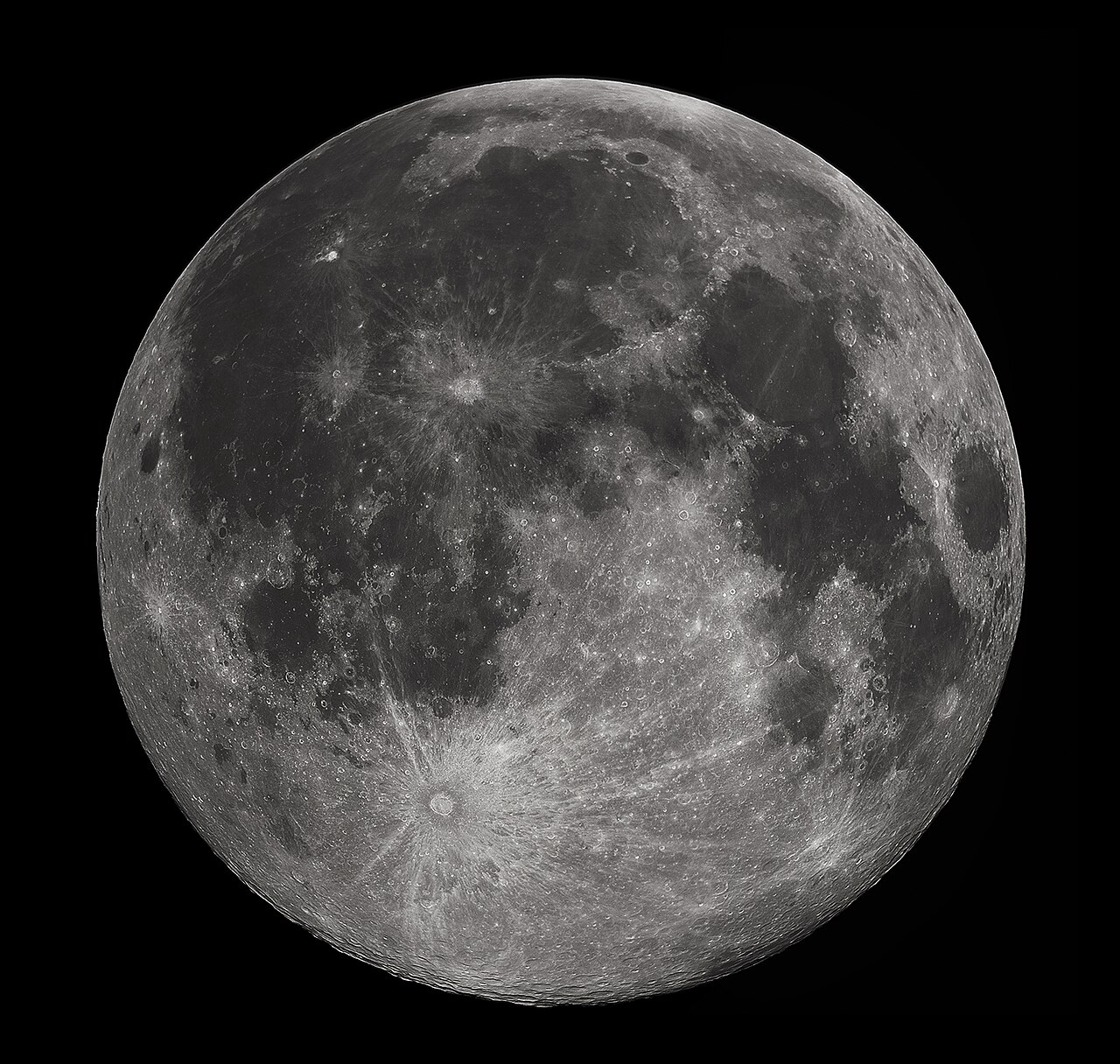
The Moon, Earth's sole natural satellite, has been a subject of fascination for centuries. With its average distance of 384,399 kilometres (238,854 mi) from Earth, it is roughly 30 times the width of our planet. The Moon's orbit is not a perfect circle, which is why its distance from Earth varies throughout the month. To learn more about the Moon's orbit, visit the Orbit page. The Moon is also tidally locked to Earth, meaning it always shows the same face to our planet. This phenomenon is explained in more detail on the Tidal Locking page. The Moon's surface is characterized by its dark and bright areas, known as Maria and Terrae, respectively.
🚀 Orbital Characteristics
The Moon's orbital characteristics are quite unique. It takes approximately 29.5 days to complete one orbit around Earth, which is the same amount of time it takes to rotate once on its axis. This is known as a synchronous rotation, and it is caused by the gravitational interaction between the Moon and Earth. For more information on the Moon's orbit, visit the Lunar Orbit page. The Moon's orbit is also influenced by the Sun's gravity, which causes the Moon's orbit to wobble slightly. This wobble is known as the Lunar Nutation. The Moon's orbital speed is approximately 3,683 kilometres per hour (2,288 miles per hour), which is relatively fast compared to other celestial bodies.
🌊 Tidal Forces and Locking
The tidal forces between the Moon and Earth are the main driver of our planet's tides. These forces are caused by the gravitational attraction between the two bodies, which is stronger on the sides facing each other. The resulting tidal forces cause the Moon to always face Earth with the same near side, a phenomenon known as tidal locking. To learn more about tidal forces, visit the Tidal Force page. The Moon's tidal locking also has an effect on its rotation period, which is synchronized with its orbital period. This means that the Moon's day is the same length as its month, which is approximately 29.5 days. The Moon's rotation is also influenced by the Earth's rotation, which causes the Moon's rotation to slow down over time.
👀 Synchronous Rotation
The Moon's synchronous rotation is a result of the tidal forces between the Moon and Earth. This means that the Moon's rotation period is the same as its orbital period, which is approximately 29.5 days. The Moon's rotation is also influenced by the Sun's gravity, which causes the Moon's rotation to slow down over time. For more information on the Moon's rotation, visit the Lunar Rotation page. The Moon's rotation is also affected by the Earth's rotation, which causes the Moon's rotation to speed up or slow down depending on the position of the two bodies. The Moon's rotation is an important factor in determining the stability of its orbit, which is influenced by the Gravitational Constant.
🔭 Exploration and Research
The exploration and research of the Moon have been ongoing for decades. The first human mission to the Moon was Apollo 11, which landed on the Moon's surface in 1969. Since then, several other missions have been sent to the Moon, including the Lunar Reconnaissance Orbiter and the LADEE mission. For more information on Moon exploration, visit the Moon Exploration page. The Moon's surface is characterized by its dark and bright areas, known as Maria and Terrae, respectively. The Moon's surface is also home to several Craters, which were formed by asteroid and comet impacts.
📊 Moon Facts and Figures
The Moon is a fascinating celestial body with many interesting facts and figures. Its diameter is approximately 3,474 kilometres (2,159 miles), which is roughly one-quarter the diameter of Earth. The Moon's surface gravity is approximately one-sixth of Earth's surface gravity, which is why astronauts can jump higher on the Moon than on Earth. For more information on the Moon's physical characteristics, visit the Moon page. The Moon's orbit is also influenced by the Sun's gravity, which causes the Moon's orbit to wobble slightly. This wobble is known as the Lunar Nutation. The Moon's orbital speed is approximately 3,683 kilometres per hour (2,288 miles per hour), which is relatively fast compared to other celestial bodies.
🌐 Moon in Culture and Society
The Moon has a significant impact on Earth's culture and society. It has been a source of inspiration for artists, writers, and musicians throughout history. The Moon has also been a symbol of love, beauty, and magic in many cultures. For more information on the Moon's cultural significance, visit the Moon in Culture page. The Moon's phases have also been used to keep track of time, with the Lunar Calendar being used by many cultures. The Moon's surface is also home to several Craters, which were formed by asteroid and comet impacts. The Moon's surface is characterized by its dark and bright areas, known as Maria and Terrae, respectively.
🚫 Controversies and Debates
There are several controversies and debates surrounding the Moon. One of the most significant is the Moon Landing Conspiracy Theory, which suggests that the Apollo 11 mission was faked. For more information on this theory, visit the Moon Landing Conspiracy Theory page. Another controversy is the Moon Ownership debate, which questions who has the right to own and exploit the Moon's resources. The Moon's surface is also home to several Craters, which were formed by asteroid and comet impacts. The Moon's surface is characterized by its dark and bright areas, known as Maria and Terrae, respectively.
🔮 Future of Moon Exploration
The future of Moon exploration is exciting and uncertain. With the development of new technologies and the increasing interest in space exploration, it is likely that the Moon will be visited again in the near future. For more information on future Moon missions, visit the Future Moon Missions page. The Moon's surface is characterized by its dark and bright areas, known as Maria and Terrae, respectively. The Moon's surface is also home to several Craters, which were formed by asteroid and comet impacts. The Moon's orbit is also influenced by the Sun's gravity, which causes the Moon's orbit to wobble slightly.
🤝 International Cooperation
International cooperation is essential for the exploration and development of the Moon. The United Nations has played a significant role in promoting international cooperation in space exploration, including the Moon. For more information on international cooperation in space exploration, visit the International Cooperation in Space Exploration page. The Moon's surface is characterized by its dark and bright areas, known as Maria and Terrae, respectively. The Moon's surface is also home to several Craters, which were formed by asteroid and comet impacts. The Moon's orbit is also influenced by the Sun's gravity, which causes the Moon's orbit to wobble slightly.
📚 Moon in History and Mythology
The Moon has a rich history and mythology. It has been a source of inspiration for artists, writers, and musicians throughout history. The Moon has also been a symbol of love, beauty, and magic in many cultures. For more information on the Moon's history and mythology, visit the Moon in Mythology page. The Moon's phases have also been used to keep track of time, with the Lunar Calendar being used by many cultures. The Moon's surface is characterized by its dark and bright areas, known as Maria and Terrae, respectively.
🌟 Moon's Influence on Earth
The Moon has a significant influence on Earth. The Moon's gravitational pull causes the tides to rise and fall, which has a significant impact on coastal ecosystems. The Moon's orbit also influences the stability of Earth's axis, which is essential for maintaining a stable climate. For more information on the Moon's influence on Earth, visit the Moon Influence on Earth page. The Moon's surface is characterized by its dark and bright areas, known as Maria and Terrae, respectively. The Moon's surface is also home to several Craters, which were formed by asteroid and comet impacts.
Key Facts
- Year
- 2022
- Origin
- Solar System
- Category
- Astronomy
- Type
- Celestial Body
Frequently Asked Questions
What is the average distance of the Moon from Earth?
The average distance of the Moon from Earth is approximately 384,399 kilometres (238,854 miles). The Moon's orbit is not a perfect circle, which is why its distance from Earth varies throughout the month. For more information on the Moon's orbit, visit the Orbit page. The Moon's surface is characterized by its dark and bright areas, known as Maria and Terrae, respectively. The Moon's orbit is also influenced by the Sun's gravity, which causes the Moon's orbit to wobble slightly.
What is the Moon's orbital period?
The Moon's orbital period is approximately 29.5 days, which is the same amount of time it takes to rotate once on its axis. This is known as a synchronous rotation, and it is caused by the gravitational interaction between the Moon and Earth. For more information on the Moon's orbit, visit the Lunar Orbit page. The Moon's surface is characterized by its dark and bright areas, known as Maria and Terrae, respectively. The Moon's orbit is also influenced by the Sun's gravity, which causes the Moon's orbit to wobble slightly.
What is the Moon's surface gravity?
The Moon's surface gravity is approximately one-sixth of Earth's surface gravity, which is why astronauts can jump higher on the Moon than on Earth. For more information on the Moon's physical characteristics, visit the Moon page. The Moon's surface is characterized by its dark and bright areas, known as Maria and Terrae, respectively. The Moon's orbit is also influenced by the Sun's gravity, which causes the Moon's orbit to wobble slightly.
What is the Moon's influence on Earth?
The Moon has a significant influence on Earth. The Moon's gravitational pull causes the tides to rise and fall, which has a significant impact on coastal ecosystems. The Moon's orbit also influences the stability of Earth's axis, which is essential for maintaining a stable climate. For more information on the Moon's influence on Earth, visit the Moon Influence on Earth page. The Moon's surface is characterized by its dark and bright areas, known as Maria and Terrae, respectively. The Moon's surface is also home to several Craters, which were formed by asteroid and comet impacts.
What is the future of Moon exploration?
The future of Moon exploration is exciting and uncertain. With the development of new technologies and the increasing interest in space exploration, it is likely that the Moon will be visited again in the near future. For more information on future Moon missions, visit the Future Moon Missions page. The Moon's surface is characterized by its dark and bright areas, known as Maria and Terrae, respectively. The Moon's surface is also home to several Craters, which were formed by asteroid and comet impacts. The Moon's orbit is also influenced by the Sun's gravity, which causes the Moon's orbit to wobble slightly.
What is the Moon's cultural significance?
The Moon has a significant cultural significance. It has been a source of inspiration for artists, writers, and musicians throughout history. The Moon has also been a symbol of love, beauty, and magic in many cultures. For more information on the Moon's cultural significance, visit the Moon in Culture page. The Moon's phases have also been used to keep track of time, with the Lunar Calendar being used by many cultures. The Moon's surface is characterized by its dark and bright areas, known as Maria and Terrae, respectively.
What is the Moon's history and mythology?
The Moon has a rich history and mythology. It has been a source of inspiration for artists, writers, and musicians throughout history. The Moon has also been a symbol of love, beauty, and magic in many cultures. For more information on the Moon's history and mythology, visit the Moon in Mythology page. The Moon's phases have also been used to keep track of time, with the Lunar Calendar being used by many cultures. The Moon's surface is characterized by its dark and bright areas, known as Maria and Terrae, respectively.