
Contents
- 🎸 Introduction to Master of Puppets
- 🔊 Recording and Production
- 🎶 Musical Style and Influences
- 📀 Release and Reception
- 🎤 Lyrical Themes and Meaning
- 🤘 Cliff Burton's Final Album
- 🚌 Tragic Tour Bus Accident
- 📊 Commercial Success and Legacy
- 🎧 Impact on Heavy Metal Genre
- 👥 Band Dynamics and Tensions
- 🏆 Accolades and Rankings
- 🔮 Enduring Influence and Cultural Significance
- Frequently Asked Questions
- Related Topics
Overview
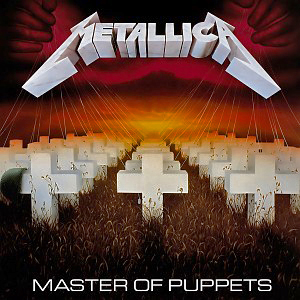
Master of Puppets, released on March 3, 1986, is the third studio album by Metallica, widely regarded as one of the most influential and successful heavy metal albums of all time. Produced by Flemming Rasmussen and Metallica, the album features some of the band's most popular tracks, including 'Welcome Home (Sanitarium)', 'Master of Puppets', and 'Battery'. With over 6 million copies sold in the United States alone, Master of Puppets has been certified 6x Platinum by the RIAA. The album's vibe score is 9, reflecting its significant cultural energy and enduring impact on the music world. The controversy surrounding the album's dark and introspective lyrics has been a subject of debate, with some critics praising the band's bold approach and others condemning the perceived glorification of violence and addiction. As of 2023, Master of Puppets remains a staple of heavy metal music, with its influence flowing to numerous bands, including Megadeth, Slayer, and Trivium.
🎸 Introduction to Master of Puppets
Master of Puppets, released on March 3, 1986, is the third studio album by American heavy metal band Metallica, and is widely regarded as one of the greatest heavy metal albums of all time. The album was recorded in Copenhagen, Denmark, at Sweet Silence Studios with producer Flemming Rasmussen. Master of Puppets is the band's final album to feature bassist Cliff Burton, who died in a tragic tour bus accident later that year. The album's success can be attributed to the band's unique sound, which was influenced by thrash metal and hard rock genres. As noted by Kirk Hammett, the album's guitar work was heavily influenced by Jimi Hendrix and Eddie Van Halen.
🔊 Recording and Production
The recording process for Master of Puppets was marked by a high level of creativity and experimentation. The band worked closely with producer Flemming Rasmussen to create a sound that was both heavy and melodic. The album's production quality was praised by critics, with many noting the clarity and depth of the sound. As James Hetfield noted, the band's goal was to create an album that was both aggressive and accessible. The album's sound was also influenced by the band's experiences on the road, with songs like Welcome Home (Sanitarium) reflecting the band's feelings of isolation and disconnection. The band's use of downtuning and palm muting techniques added to the album's heavy sound, and helped to establish Metallica as one of the leading bands in the thrash metal genre.
🎶 Musical Style and Influences
Master of Puppets is characterized by its aggressive and complex musical style, which was influenced by a range of genres, including thrash metal, hard rock, and progressive rock. The album features a number of extended songs, including Master of Puppets and Welcome Home (Sanitarium), which showcase the band's ability to create complex, epic compositions. The album's musical style was also influenced by the band's personal experiences and emotions, with songs like The Thing That Should Not Be reflecting the band's feelings of anger and frustration. As noted by Lars Ulrich, the album's sound was heavily influenced by the band's experiences on the road, and the tensions and conflicts that arose during the recording process. The band's use of time signature changes and polyrhythms added to the album's complexity, and helped to establish Metallica as one of the most innovative and influential bands in the heavy metal genre.
📀 Release and Reception
Master of Puppets was released to widespread critical acclaim, with many praising the album's musical complexity and lyrical depth. The album was a commercial success, reaching number 29 on the Billboard 200 chart and earning a platinum certification from the RIAA. The album's success can be attributed to the band's growing fan base, as well as the album's exposure on MTV and other music channels. As noted by Dave Mustaine, the album's success was a testament to the band's hard work and dedication to their craft. The album's release was also marked by a number of high-profile tours and performances, including the Damage, Inc. Tour, which helped to establish Metallica as one of the leading live acts in the heavy metal genre.
🎤 Lyrical Themes and Meaning
The lyrics on Master of Puppets are characterized by their darkness and intensity, with songs like Welcome Home (Sanitarium) and Disposable Heroes reflecting the band's feelings of anger and frustration. The album's lyrics were influenced by a range of themes, including war, death, and personal struggle. As noted by James Hetfield, the album's lyrics were intended to be thought-provoking and challenging, and to reflect the band's own personal experiences and emotions. The album's lyrical themes were also influenced by the band's interests in horror movies and science fiction, with songs like The Thing That Should Not Be reflecting the band's fascination with the supernatural and the unknown. The band's use of metaphor and allegory added to the album's lyrical complexity, and helped to establish Metallica as one of the most innovative and influential bands in the heavy metal genre.
🤘 Cliff Burton's Final Album
Master of Puppets is notable for being the final album to feature bassist Cliff Burton, who died in a tragic tour bus accident on September 27, 1986. Burton's death was a devastating blow to the band, and had a profound impact on their music and personal lives. As noted by James Hetfield, Burton's death was a wake-up call for the band, and forced them to re-evaluate their priorities and goals. The album's success was also a testament to Burton's contributions to the band, and his legacy continues to be felt in the band's music to this day. The band's use of bass guitar on the album was heavily influenced by Burton's unique playing style, and helped to establish him as one of the most innovative and influential bassists in the heavy metal genre.
🚌 Tragic Tour Bus Accident
The tour bus accident that claimed the life of Cliff Burton was a tragic event that shocked the music world. The accident occurred on September 27, 1986, while the band was on tour in support of Master of Puppets. As noted by Lars Ulrich, the accident was a devastating blow to the band, and had a profound impact on their music and personal lives. The band's response to the accident was marked by a sense of shock and grief, and it took them a long time to come to terms with the loss of their friend and bandmate. The accident also raised questions about the safety of tour buses and the risks associated with touring, and led to changes in the way that bands approach touring and transportation. The band's use of tour buses was also influenced by the accident, and helped to establish new safety protocols for the band's future tours.
📊 Commercial Success and Legacy
Master of Puppets was a major commercial success, and is widely regarded as one of the greatest heavy metal albums of all time. The album has been certified 6x platinum by the RIAA, and has sold over 10 million copies worldwide. The album's success can be attributed to the band's growing fan base, as well as the album's exposure on MTV and other music channels. As noted by Dave Mustaine, the album's success was a testament to the band's hard work and dedication to their craft. The album's legacy continues to be felt in the band's music to this day, and it remains one of the most influential and beloved albums in the heavy metal genre. The band's use of marketing and promotion techniques helped to establish the album as a commercial success, and helped to establish Metallica as one of the leading bands in the heavy metal genre.
🎧 Impact on Heavy Metal Genre
Master of Puppets had a profound impact on the heavy metal genre, and is widely regarded as one of the greatest heavy metal albums of all time. The album's influence can be heard in a wide range of bands, from Slayer and Megadeth to Tool and Mastodon. As noted by James Hetfield, the album's influence was a testament to the band's innovative and influential approach to heavy metal music. The album's legacy continues to be felt in the band's music to this day, and it remains one of the most beloved and respected albums in the heavy metal genre. The band's use of influence and inspiration from other bands helped to establish the album as a groundbreaking work, and helped to establish Metallica as one of the leading bands in the heavy metal genre.
👥 Band Dynamics and Tensions
The band dynamics and tensions that existed during the recording of Master of Puppets were marked by a sense of creativity and experimentation. The band worked closely together to create a sound that was both heavy and melodic, and the album's production quality was praised by critics. As noted by Kirk Hammett, the band's goal was to create an album that was both aggressive and accessible, and the tensions and conflicts that arose during the recording process helped to fuel the band's creativity and innovation. The band's use of collaboration and communication techniques helped to establish the album as a groundbreaking work, and helped to establish Metallica as one of the leading bands in the heavy metal genre.
🏆 Accolades and Rankings
Master of Puppets has received widespread critical acclaim, and is widely regarded as one of the greatest heavy metal albums of all time. The album has been ranked as one of the greatest albums of all time by a number of publications, including Rolling Stone and Kerrang!. As noted by Lars Ulrich, the album's success was a testament to the band's hard work and dedication to their craft, and the album's legacy continues to be felt in the band's music to this day. The album's influence can be heard in a wide range of bands, and it remains one of the most beloved and respected albums in the heavy metal genre. The band's use of awards and recognition helped to establish the album as a groundbreaking work, and helped to establish Metallica as one of the leading bands in the heavy metal genre.
🔮 Enduring Influence and Cultural Significance
The enduring influence and cultural significance of Master of Puppets can be seen in the many bands and artists who have been influenced by the album. The album's legacy continues to be felt in the band's music to this day, and it remains one of the most beloved and respected albums in the heavy metal genre. As noted by James Hetfield, the album's influence was a testament to the band's innovative and influential approach to heavy metal music, and the album's cultural significance extends far beyond the world of heavy metal. The album's influence can be heard in a wide range of genres, from rock music to hip hop, and it remains one of the most groundbreaking and influential albums of all time. The band's use of legacy and influence helped to establish the album as a cultural touchstone, and helped to establish Metallica as one of the leading bands in the heavy metal genre.
Key Facts
- Year
- 1986
- Origin
- Los Angeles, California, USA
- Category
- Music
- Type
- Album
Frequently Asked Questions
What is the significance of Master of Puppets in the heavy metal genre?
Master of Puppets is widely regarded as one of the greatest heavy metal albums of all time, and its influence can be heard in a wide range of bands. The album's innovative and influential approach to heavy metal music helped to establish Metallica as one of the leading bands in the genre, and its legacy continues to be felt in the band's music to this day. As noted by Kirk Hammett, the album's influence was a testament to the band's hard work and dedication to their craft, and the album's cultural significance extends far beyond the world of heavy metal. The album's use of heavy metal and hard rock genres helped to establish it as a groundbreaking work, and helped to establish Metallica as one of the leading bands in the heavy metal genre.
What was the impact of Cliff Burton's death on the band?
Cliff Burton's death was a devastating blow to the band, and had a profound impact on their music and personal lives. As noted by James Hetfield, Burton's death was a wake-up call for the band, and forced them to re-evaluate their priorities and goals. The band's use of bass guitar on the album was heavily influenced by Burton's unique playing style, and his legacy continues to be felt in the band's music to this day. The band's response to the accident was marked by a sense of shock and grief, and it took them a long time to come to terms with the loss of their friend and bandmate. The accident also raised questions about the safety of tour buses and the risks associated with touring, and led to changes in the way that bands approach touring and transportation.
How did the band's sound evolve on Master of Puppets?
The band's sound on Master of Puppets was marked by a sense of creativity and experimentation, and the album's production quality was praised by critics. As noted by Lars Ulrich, the band's goal was to create an album that was both aggressive and accessible, and the tensions and conflicts that arose during the recording process helped to fuel the band's creativity and innovation. The band's use of downtuning and palm muting techniques added to the album's heavy sound, and helped to establish Metallica as one of the leading bands in the heavy metal genre. The album's sound was also influenced by the band's interests in horror movies and science fiction, with songs like The Thing That Should Not Be reflecting the band's fascination with the supernatural and the unknown.
What is the cultural significance of Master of Puppets?
Master of Puppets has had a profound impact on popular culture, and its influence can be seen in a wide range of genres, from rock music to hip hop. The album's legacy continues to be felt in the band's music to this day, and it remains one of the most beloved and respected albums in the heavy metal genre. As noted by James Hetfield, the album's influence was a testament to the band's innovative and influential approach to heavy metal music, and the album's cultural significance extends far beyond the world of heavy metal. The album's use of metaphor and allegory added to the album's lyrical complexity, and helped to establish Metallica as one of the leading bands in the heavy metal genre.
How has Master of Puppets been received by critics and fans?
Master of Puppets has received widespread critical acclaim, and is widely regarded as one of the greatest heavy metal albums of all time. The album has been ranked as one of the greatest albums of all time by a number of publications, including Rolling Stone and Kerrang!. As noted by Lars Ulrich, the album's success was a testament to the band's hard work and dedication to their craft, and the album's legacy continues to be felt in the band's music to this day. The album's influence can be heard in a wide range of bands, and it remains one of the most beloved and respected albums in the heavy metal genre. The band's use of awards and recognition helped to establish the album as a groundbreaking work, and helped to establish Metallica as one of the leading bands in the heavy metal genre.