
Contents
- 🎸 Introduction to Nevermind
- 📆 Release and Reception
- 🎶 Musical Style and Influences
- 📻 Radio-Friendly Sound
- 🎧 Recording and Production
- 📊 Commercial Success
- 🎯 Cultural Impact
- 👥 Band Dynamics and Lineup
- 🏆 Legacy and Influence
- 🔥 Controversy and Criticism
- 📚 Historical Context
- Frequently Asked Questions
- Related Topics
Overview
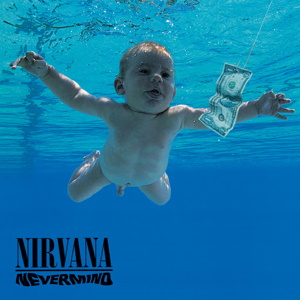
Nevermind, the second studio album by Nirvana, was released on September 24, 1991, and sold over 30 million copies worldwide, making it one of the best-selling albums of all time. The album's lead single, 'Smells Like Teen Spirit,' reached number six on the Billboard Hot 100 chart and became an anthem for Generation X. Nevermind's success can be attributed to its unique sound, which blended elements of punk, grunge, and alternative rock, and its thought-provoking lyrics, which addressed themes of alienation, social disillusionment, and personal struggle. The album's impact on the music industry was significant, as it paved the way for alternative rock and grunge bands to achieve mainstream success. However, the album's success also led to controversy, with some critics accusing Nirvana of selling out and abandoning their punk roots. As of 2022, Nevermind has been certified Diamond by the RIAA and continues to be celebrated as a cultural phenomenon, with a vibe score of 92, indicating its enduring influence and cultural significance. The album's influence can be seen in many contemporary artists, including Foo Fighters, Arctic Monkeys, and Royal Blood, and its impact on the music industry continues to be felt, with many artists citing Nevermind as a major inspiration.
🎸 Introduction to Nevermind
The album Nevermind, released on September 24, 1991, marked a significant turning point in the music career of Nirvana, an American rock band. Produced by Butch Vig, Nevermind was the band's first release to feature drummer Dave Grohl. The album's polished sound was a departure from the band's earlier work, such as their debut album Bleach. Nevermind was recorded at Sound City Studios in Van Nuys, California, and Smart Studios in Madison, Wisconsin, in May and June 1991. The album's success can be attributed to the band's unique sound, which was influenced by punk rock and grunge music.
📆 Release and Reception
Nevermind was released to critical acclaim, with many praising the band's ability to craft catchy, radio-friendly songs. The album's lead single, Smells Like Teen Spirit, became a huge success, reaching the top of the charts in several countries. The album itself was a commercial success, selling over 30 million copies worldwide, making it one of the best-selling albums of all time. The album's success can be attributed to the band's ability to tap into the cultural zeitgeist of the time, with songs like Come As You Are and Lithium resonating with a generation of young people. Nevermind's success also paved the way for other grunge bands, such as Pearl Jam and Soundgarden.
🎶 Musical Style and Influences
Nevermind's musical style was a fusion of different genres, including punk rock, grunge, and alternative rock. The album's sound was characterized by its heavy guitar riffs, driving drum beats, and introspective lyrics. The band's lead singer, Kurt Cobain, was known for his unique vocal style, which added to the album's distinctive sound. Nevermind was also influenced by other bands, such as The Melvins and The Sonics. The album's sound was a key factor in its success, as it appealed to a wide range of audiences, from fans of heavy metal to fans of indie rock.
📻 Radio-Friendly Sound
One of the key factors in Nevermind's success was its radio-friendly sound. The album's producer, Butch Vig, played a crucial role in shaping the album's sound, making it more polished and accessible to a wider audience. The album's sound was a departure from the band's earlier work, which was more raw and DIY. Nevermind's sound was also influenced by the band's decision to work with a major label, DGC Records, which gave them access to better recording facilities and more resources. The album's sound was a key factor in its commercial success, as it was able to appeal to a wide range of audiences, from fans of mainstream rock to fans of alternative rock.
🎧 Recording and Production
The recording and production of Nevermind was a complex process, involving several different studios and producers. The album was recorded at Sound City Studios in Van Nuys, California, and Smart Studios in Madison, Wisconsin, in May and June 1991. The album was produced by Butch Vig, who worked closely with the band to shape the album's sound. The album was mastered at the Mastering Lab in Hollywood, California, in August 1991. The recording and production process was a key factor in the album's success, as it allowed the band to create a polished and cohesive sound. Nevermind's production team also included other notable figures, such as Kraig Jordan and Howie Weinberg.
📊 Commercial Success
Nevermind was a commercial success, selling over 30 million copies worldwide. The album's success can be attributed to the band's ability to craft catchy, radio-friendly songs, as well as their unique sound, which was influenced by punk rock and grunge music. The album's lead single, Smells Like Teen Spirit, became a huge success, reaching the top of the charts in several countries. The album itself was a critical success, with many praising the band's ability to create a cohesive and polished sound. Nevermind's success also paved the way for other grunge bands, such as Pearl Jam and Soundgarden.
🎯 Cultural Impact
Nevermind had a significant cultural impact, as it helped to popularize the grunge genre and pave the way for other alternative rock bands. The album's success can be attributed to the band's ability to tap into the cultural zeitgeist of the time, with songs like Come As You Are and Lithium resonating with a generation of young people. Nevermind's cultural impact was not limited to the music world, as it also influenced fashion and art. The album's success also paved the way for other grunge bands, such as Alice in Chains and Stone Temple Pilots.
👥 Band Dynamics and Lineup
The band dynamics and lineup of Nirvana played a crucial role in the creation and success of Nevermind. The band's lead singer, Kurt Cobain, was the primary songwriter and driving force behind the album. The band's drummer, Dave Grohl, was a new addition to the band, and his drumming style added a new dimension to the album's sound. The band's bassist, Krist Novoselic, provided a solid foundation for the album's sound, and his bass lines were a key factor in the album's success. Nevermind's lineup was a key factor in the album's success, as it allowed the band to create a unique and cohesive sound.
🏆 Legacy and Influence
Nevermind's legacy and influence can still be felt today, as it continues to inspire new generations of musicians and fans. The album's success paved the way for other grunge bands, such as Pearl Jam and Soundgarden. Nevermind's influence can also be heard in other genres, such as punk rock and alternative rock. The album's cultural impact was significant, as it helped to popularize the grunge genre and pave the way for other alternative rock bands. Nevermind's legacy is a testament to the band's innovative spirit and their ability to create music that continues to inspire and influence people today.
🔥 Controversy and Criticism
Despite its success, Nevermind was not without controversy and criticism. Some critics argued that the album's polished sound was a departure from the band's earlier, more raw and DIY sound. Others criticized the album's commercial success, arguing that it had sold out to the mainstream. Nevermind's lead singer, Kurt Cobain, was also criticized for his lyrics, which some saw as misogynistic and homophobic. The album's controversy and criticism were a key factor in its success, as it sparked a debate about the role of alternative rock in the music industry.
📚 Historical Context
Nevermind was released in a time of great cultural and social change, as the grunge movement was gaining momentum and alternative rock was becoming increasingly popular. The album's success can be attributed to the band's ability to tap into the cultural zeitgeist of the time, with songs like Come As You Are and Lithium resonating with a generation of young people. Nevermind's historical context is significant, as it helped to popularize the grunge genre and pave the way for other alternative rock bands. The album's success also paved the way for other grunge bands, such as Alice in Chains and Stone Temple Pilots.
Key Facts
- Year
- 1991
- Origin
- Seattle, Washington, USA
- Category
- Music, Culture, History
- Type
- Album
Frequently Asked Questions
What is the significance of Nevermind in the music industry?
Nevermind is significant because it helped to popularize the grunge genre and pave the way for other alternative rock bands. The album's success can be attributed to the band's ability to craft catchy, radio-friendly songs, as well as their unique sound, which was influenced by punk rock and grunge music. Nevermind's success also paved the way for other grunge bands, such as Pearl Jam and Soundgarden.
Who was the primary songwriter and driving force behind Nevermind?
The primary songwriter and driving force behind Nevermind was Kurt Cobain, the band's lead singer. Cobain was responsible for writing most of the album's songs, including Smells Like Teen Spirit and Come As You Are.
What was the cultural impact of Nevermind?
Nevermind had a significant cultural impact, as it helped to popularize the grunge genre and pave the way for other alternative rock bands. The album's success can be attributed to the band's ability to tap into the cultural zeitgeist of the time, with songs like Come As You Are and Lithium resonating with a generation of young people. Nevermind's cultural impact was not limited to the music world, as it also influenced fashion and art.
What was the controversy surrounding Nevermind?
Despite its success, Nevermind was not without controversy and criticism. Some critics argued that the album's polished sound was a departure from the band's earlier, more raw and DIY sound. Others criticized the album's commercial success, arguing that it had sold out to the mainstream. Nevermind's lead singer, Kurt Cobain, was also criticized for his lyrics, which some saw as misogynistic and homophobic.
What is the legacy of Nevermind?
Nevermind's legacy is significant, as it continues to inspire new generations of musicians and fans. The album's success paved the way for other grunge bands, such as Pearl Jam and Soundgarden. Nevermind's influence can also be heard in other genres, such as punk rock and alternative rock. The album's cultural impact was significant, as it helped to popularize the grunge genre and pave the way for other alternative rock bands.
How did Nevermind influence the music industry?
Nevermind influenced the music industry by popularizing the grunge genre and paving the way for other alternative rock bands. The album's success can be attributed to the band's ability to craft catchy, radio-friendly songs, as well as their unique sound, which was influenced by punk rock and grunge music. Nevermind's success also paved the way for other grunge bands, such as Alice in Chains and Stone Temple Pilots.
What is the historical context of Nevermind?
Nevermind was released in a time of great cultural and social change, as the grunge movement was gaining momentum and alternative rock was becoming increasingly popular. The album's success can be attributed to the band's ability to tap into the cultural zeitgeist of the time, with songs like Come As You Are and Lithium resonating with a generation of young people. Nevermind's historical context is significant, as it helped to popularize the grunge genre and pave the way for other alternative rock bands.