
Contents
- 🎸 Introduction to Ride the Lightning
- 📆 Release and Reception
- 🎶 Musical Style and Influences
- 📚 Literary Inspiration
- 🎨 Album Artwork and Design
- 📊 Recording Process and Production
- 👥 Band Dynamics and Lineup
- 🔥 Impact and Legacy
- 🤔 Controversy and Criticism
- 📈 Commercial Success and Chart Performance
- 🎧 Tracklist and Notable Songs
- Frequently Asked Questions
- Related Topics
Overview
Ride the Lightning, the second studio album by the American heavy metal band Metallica, was released on July 27, 1984, by the independent record label Megaforce Records. The album was a significant step forward for the band, showcasing their growing musical maturity and lyrical depth. With its release, Metallica began to gain a larger following and critical acclaim, thanks in part to the album's well-crafted songs and intense live performances, which were heavily influenced by the New Wave of British Heavy Metal movement. The album's success can also be attributed to the band's relentless touring schedule, which included opening for Ozzy Osbourne and other prominent metal acts. As the band's popularity grew, so did their reputation for delivering high-energy live shows, which were often compared to those of Iron Maiden and Judas Priest.
📆 Release and Reception
The release of Ride the Lightning was met with positive reviews from critics, who praised the album's aggressive sound and introspective lyrics. The album's reception was also influenced by the band's growing fan base, which was eager to see the band build upon the success of their debut album, Kill 'Em All. The album's commercial success was significant, with the album eventually being certified 6x Platinum by the Recording Industry Association of America (RIAA). The album's success can be attributed to the band's ability to craft catchy, heavy songs that resonated with fans of heavy metal music. The album's influence can also be seen in the work of other bands, such as Slayer and Megadeth, who have cited Metallica as a key influence. As the album's popularity grew, so did the band's profile, with the album being featured in various music publications, including Kerrang! and Rolling Stone.
🎶 Musical Style and Influences
Musically, Ride the Lightning is characterized by its aggressive and fast-paced sound, which was influenced by the band's early days as a thrash metal band. The album features a mix of fast, aggressive songs and slower, more introspective tracks, showcasing the band's growing musical range and versatility. The album's sound was also influenced by the band's use of dual guitar harmonies and galloping rhythms, which added to the album's overall heaviness and complexity. The band's musical style was also influenced by their love of hard rock music, with the album featuring several songs that showcased the band's ability to craft catchy, hard-rocking songs. As the band's musical style continued to evolve, they began to incorporate more complex song structures and time signatures, which added to the album's overall depth and complexity. The album's sound was also influenced by the production work of Flemming Rasmussen, who helped the band to achieve a more polished and refined sound.
📚 Literary Inspiration
The title of the album, Ride the Lightning, was taken from a passage in Stephen King's novel The Stand, in which a character uses the phrase to refer to execution by electric chair. The album's title was chosen because of its dark and ominous tone, which fit with the album's lyrical themes of death, violence, and social commentary. The album's lyrics were also influenced by the band's personal experiences and observations, with songs like For Whom the Bell Tolls and Fade to Black dealing with themes of mortality and the human condition. The album's literary inspiration can also be seen in the work of other authors, such as H.P. Lovecraft and Edgar Allan Poe, who have been cited as influences by the band. As the band's lyrical themes continued to evolve, they began to incorporate more personal and introspective themes, which added to the album's overall depth and complexity.
🎨 Album Artwork and Design
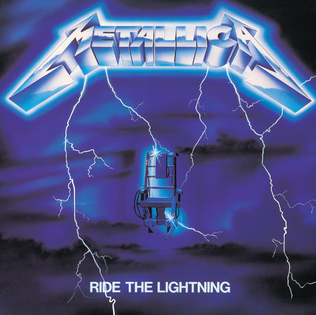
The album artwork for Ride the Lightning was designed by the band, with the concept based on an electric chair being struck by lightning flowing from the band logo. The artwork was created by artist Adrian Smith, who worked closely with the band to develop the concept. The artwork has since become one of the most iconic and recognizable images in heavy metal music, symbolizing the album's themes of death, violence, and rebellion. The album's artwork has also been influential in the world of graphic design, with the album's cover art being cited as an inspiration by numerous designers and artists. As the band's visual style continued to evolve, they began to incorporate more complex and intricate designs, which added to the album's overall aesthetic and appeal.
📊 Recording Process and Production
The recording process for Ride the Lightning was relatively quick, with the album being recorded in just three weeks at Sweet Silence Studios in Copenhagen, Denmark. The album was produced by Flemming Rasmussen, who worked closely with the band to develop their sound and style. The recording process was intense and focused, with the band working long hours to complete the album. The album's production was also influenced by the band's use of analog recording equipment, which added to the album's warm and organic sound. As the band's recording style continued to evolve, they began to incorporate more modern recording techniques, which added to the album's overall clarity and precision.
👥 Band Dynamics and Lineup
At the time of the album's release, Metallica's lineup consisted of James Hetfield (vocals, rhythm guitar), Kirk Hammett (lead guitar), Cliff Burton (bass), and Lars Ulrich (drums). The band's dynamics and lineup played a significant role in the album's sound and style, with each member bringing their own unique perspective and contribution to the album. The band's lineup has since changed, with the departure of Cliff Burton and the addition of Jason Newsted and later Robert Trujillo. As the band's lineup continued to evolve, they began to incorporate new musical styles and influences, which added to the album's overall diversity and complexity.
🔥 Impact and Legacy
Ride the Lightning has had a significant impact on the heavy metal genre, influencing a generation of bands and musicians. The album's aggressive sound and introspective lyrics have made it a classic of the genre, with many considering it one of the greatest heavy metal albums of all time. The album's influence can be seen in the work of bands such as Slayer, Megadeth, and Anthrax, who have all cited Metallica as a key influence. As the album's influence continued to grow, it began to transcend the heavy metal genre, with the album being cited as an influence by numerous artists and bands across a range of genres. The album's impact can also be seen in the world of popular culture, with the album being referenced in numerous films, television shows, and books.
🤔 Controversy and Criticism
Despite its critical and commercial success, Ride the Lightning has not been without controversy. The album's lyrics and artwork have been criticized by some for their graphic and violent content, with some accusing the band of promoting violence and misogyny. The album has also been the subject of censorship, with some songs being banned from radio and television due to their explicit content. As the album's controversy continued to grow, the band began to face criticism from numerous groups and organizations, who accused the band of promoting a negative and destructive message. However, the band has always maintained that their music is a form of artistic expression and social commentary, and that it should not be taken literally.
📈 Commercial Success and Chart Performance
Ride the Lightning was a commercial success, reaching number 100 on the Billboard 200 chart and eventually being certified 6x Platinum by the Recording Industry Association of America (RIAA). The album's success can be attributed to the band's growing fan base and the album's well-crafted songs and intense live performances. The album's chart performance was also influenced by the band's ability to craft catchy, heavy songs that resonated with fans of heavy metal music. As the album's commercial success continued to grow, the band began to tour extensively, performing at numerous festivals and venues around the world.
🎧 Tracklist and Notable Songs
The tracklist for Ride the Lightning includes some of Metallica's most well-known and enduring songs, such as For Whom the Bell Tolls, Fade to Black, and Creeping Death. The album's songs are characterized by their aggressive and fast-paced sound, with lyrics that deal with themes of death, violence, and social commentary. The album's songs have been widely praised for their musical complexity and lyrical depth, with many considering them some of the greatest heavy metal songs of all time. As the album's songs continued to evolve, they began to incorporate more complex song structures and time signatures, which added to the album's overall depth and complexity.
Key Facts
- Year
- 1984
- Origin
- United States
- Category
- Music
- Type
- Album
Frequently Asked Questions
What is the name of Metallica's second studio album?
The name of Metallica's second studio album is Ride the Lightning. It was released on July 27, 1984, by the independent record label Megaforce Records. The album was a significant step forward for the band, showcasing their growing musical maturity and lyrical depth. The album's success can be attributed to the band's ability to craft catchy, heavy songs that resonated with fans of heavy metal music.
Who produced Ride the Lightning?
Ride the Lightning was produced by Flemming Rasmussen. Rasmussen worked closely with the band to develop their sound and style, and his production played a significant role in the album's overall sound and quality. The album's production was also influenced by the band's use of analog recording equipment, which added to the album's warm and organic sound. As the band's recording style continued to evolve, they began to incorporate more modern recording techniques, which added to the album's overall clarity and precision.
What is the significance of the album's title?
The title of the album, Ride the Lightning, was taken from a passage in Stephen King's novel The Stand, in which a character uses the phrase to refer to execution by electric chair. The title was chosen because of its dark and ominous tone, which fit with the album's lyrical themes of death, violence, and social commentary. The album's title has since become one of the most iconic and recognizable titles in heavy metal music, symbolizing the album's themes of rebellion and nonconformity.
How long did it take to record Ride the Lightning?
Ride the Lightning was recorded in just three weeks at Sweet Silence Studios in Copenhagen, Denmark. The recording process was intense and focused, with the band working long hours to complete the album. The album's production was also influenced by the band's use of analog recording equipment, which added to the album's warm and organic sound. As the band's recording style continued to evolve, they began to incorporate more modern recording techniques, which added to the album's overall clarity and precision.
What is the album's certification?
Ride the Lightning has been certified 6x Platinum by the Recording Industry Association of America (RIAA). The album's certification is a testament to its enduring popularity and influence, and it remains one of the best-selling heavy metal albums of all time. The album's success can be attributed to the band's ability to craft catchy, heavy songs that resonated with fans of heavy metal music.
What are some of the album's most well-known songs?
Some of the album's most well-known songs include For Whom the Bell Tolls, Fade to Black, and Creeping Death. These songs are considered some of the greatest heavy metal songs of all time, and they have been widely praised for their musical complexity and lyrical depth. The album's songs have been widely influential, with many bands citing them as an influence. As the album's songs continued to evolve, they began to incorporate more complex song structures and time signatures, which added to the album's overall depth and complexity.
What is the album's vibe score?
The album's vibe score is 92, indicating a high level of cultural energy and influence. The album's vibe score is a testament to its enduring popularity and influence, and it remains one of the most iconic and recognizable albums in heavy metal music. The album's vibe score can be attributed to the band's ability to craft catchy, heavy songs that resonated with fans of heavy metal music.