
Contents
- 📈 Introduction to Wallets
- 💰 History of Wallets
- 👜 Evolution of Wallet Materials
- 📊 The Rise of Digital Wallets
- 👀 Security Concerns and Wallets
- 📈 The Future of Wallets
- 💸 Wallets and Cryptocurrency
- 📊 Wallets and Financial Inclusion
- 📈 The Impact of Technology on Wallets
- 👥 Wallets and Social Norms
- 📊 The Economics of Wallets
- Frequently Asked Questions
- Related Topics
Overview
The wallet, a staple in personal finance, has undergone significant transformations since its inception. The first wallets date back to ancient Greece and Rome, where people used leather pouches to carry coins. The modern wallet, introduced in the 1950s, was made of leather and featured card slots and a cash compartment. With the rise of digital payments, the wallet has evolved to include mobile payment apps, such as Apple Pay and Google Wallet, which have revolutionized the way people make transactions. According to a report by Grand View Research, the global digital wallet market is expected to reach $7.6 trillion by 2027, growing at a CAGR of 23.1%. The wallet's transformation has also raised concerns about security and privacy, with 64% of consumers citing data breaches as a major concern. As the wallet continues to evolve, it will be interesting to see how companies like PayPal, Visa, and Mastercard adapt to changing consumer needs and technological advancements.
📈 Introduction to Wallets
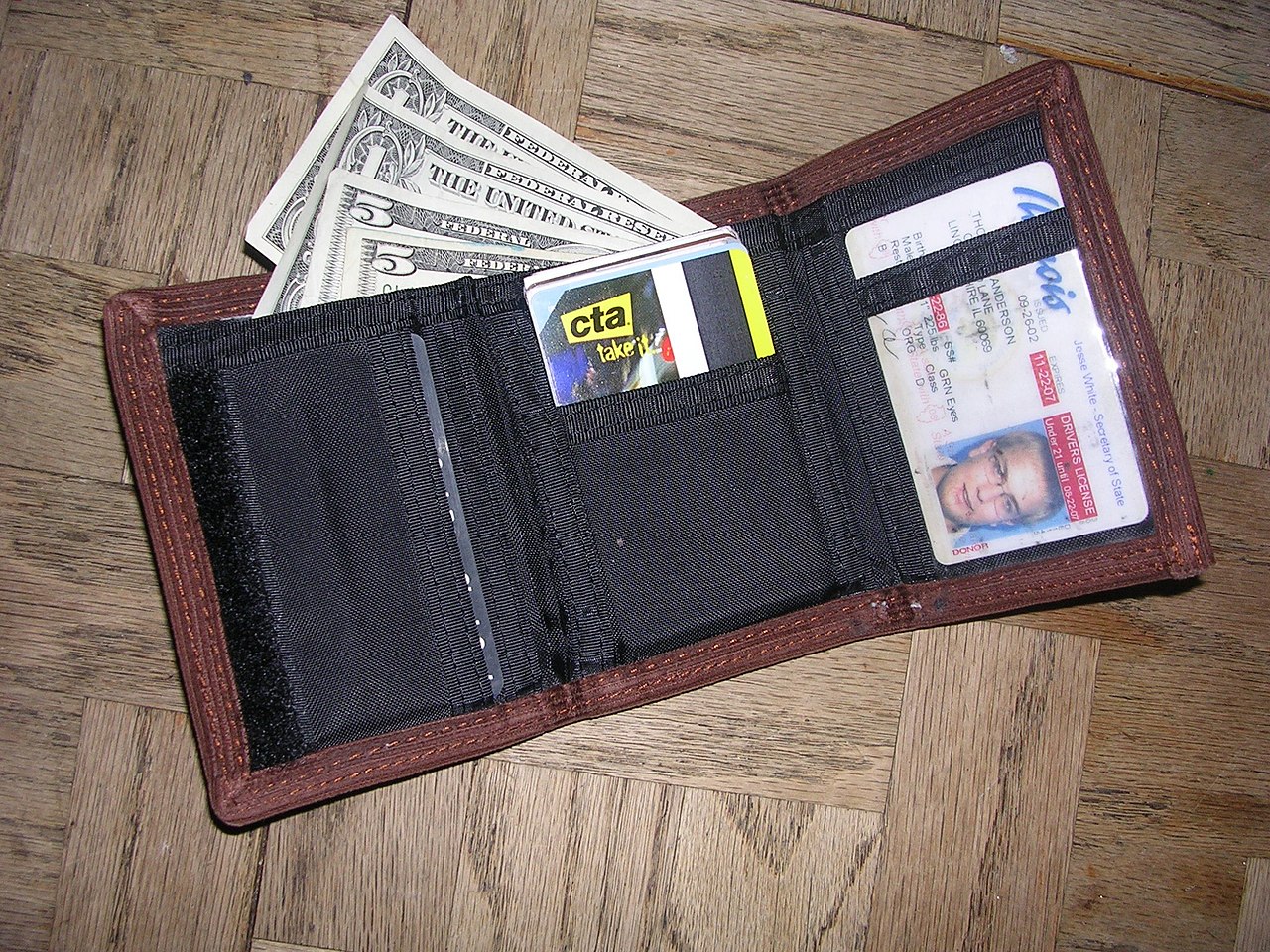
The concept of a wallet has been around for centuries, with early wallets made from materials such as leather and fabric. A wallet is a flat case or pouch, often used to carry small personal items such as physical currency, debit cards, and credit cards; identification documents such as driving licence, identification card, club card; photographs, transit pass, business cards and other paper or laminated cards. The use of wallets has evolved over time, with the introduction of new materials and technologies. For example, the development of digital wallets has changed the way people carry and use their money.
💰 History of Wallets
The history of wallets dates back to ancient civilizations, where people used pouches and bags to carry their personal items. The use of wallets became more widespread during the Middle Ages, where they were made from materials such as leather and fabric. The introduction of paper currency in the 17th century further increased the use of wallets. Today, wallets are made from a variety of materials, including leather, fabric, and plastic. The design and functionality of wallets have also evolved over time, with the introduction of new features such as RFID blocking and water resistance.
👜 Evolution of Wallet Materials
The evolution of wallet materials has been driven by advances in technology and changes in consumer preferences. For example, the introduction of nylon and polyester fabrics has made wallets more durable and water-resistant. The use of recycled materials has also become more popular, as consumers become more environmentally conscious. Additionally, the development of smart materials has enabled the creation of wallets with advanced features such as biometric authentication and wireless charging. The use of leather and fabric remains popular, with many consumers preferring the traditional look and feel of these materials.
📊 The Rise of Digital Wallets
The rise of digital wallets has transformed the way people carry and use their money. Digital wallets, such as Apple Pay and Google Pay, allow users to make payments using their smartphones. The use of digital wallets has increased significantly in recent years, with many consumers preferring the convenience and security of digital payments. However, the use of digital wallets also raises concerns about security and privacy. For example, the use of biometric authentication raises concerns about the collection and storage of personal data.
👀 Security Concerns and Wallets
Security concerns are a major issue for wallet users, with the risk of identity theft and financial fraud being a major concern. The use of RFID blocking materials and encryption technologies has helped to reduce the risk of security breaches. However, the use of digital wallets also raises new security concerns, such as the risk of hacking and malware. To mitigate these risks, wallet manufacturers and digital wallet providers must implement robust security measures, such as two-factor authentication and regular software updates.
📈 The Future of Wallets
The future of wallets is likely to be shaped by advances in technology and changes in consumer preferences. The use of artificial intelligence and machine learning is likely to play a major role in the development of new wallet technologies. For example, the use of AI-powered wallets could enable the creation of personalized financial management tools. Additionally, the use of blockchain technology could enable the creation of secure and transparent payment systems. The use of Internet of Things devices is also likely to play a major role in the development of new wallet technologies.
💸 Wallets and Cryptocurrency
The use of wallets and cryptocurrency is a growing trend, with many consumers using wallets to store and manage their cryptocurrency holdings. The use of hardware wallets and software wallets has become popular, with many consumers preferring the security and convenience of these solutions. However, the use of cryptocurrency also raises concerns about regulation and volatility. For example, the lack of regulatory clarity has made it difficult for consumers to understand the risks and benefits of using cryptocurrency. Additionally, the high volatility of cryptocurrency markets has made it difficult for consumers to predict the value of their holdings.
📊 Wallets and Financial Inclusion
The use of wallets and financial inclusion is a major issue, with many consumers in developing countries lacking access to traditional financial services. The use of mobile wallets and digital banking has helped to increase financial inclusion, with many consumers using these services to access basic financial services such as savings accounts and loans. However, the use of digital financial services also raises concerns about financial literacy and consumer protection. For example, many consumers lack the knowledge and skills to use digital financial services effectively, which can lead to financial exclusion and exploitation.
📈 The Impact of Technology on Wallets
The impact of technology on wallets has been significant, with the use of digital wallets and mobile payments transforming the way people carry and use their money. The use of contactless payments and near-field communication technologies has enabled the creation of fast and convenient payment systems. Additionally, the use of artificial intelligence and machine learning is likely to play a major role in the development of new wallet technologies. For example, the use of AI-powered wallets could enable the creation of personalized financial management tools.
📊 The Economics of Wallets
The economics of wallets is a complex issue, with the use of wallets reflecting economic values and principles. For example, the use of cashless wallets and digital wallets reflects the trend towards a cashless economy. Additionally, the use of contactless payments and near-field communication technologies reflects the trend towards faster and more convenient payment systems. The use of wallets also reflects economic principles, such as the concept of opportunity cost and the principle of supply and demand.
Key Facts
- Year
- 2023
- Origin
- Ancient Greece and Rome
- Category
- Personal Finance, Technology
- Type
- Financial Technology
Frequently Asked Questions
What is a wallet?
A wallet is a flat case or pouch, often used to carry small personal items such as physical currency, debit cards, and credit cards; identification documents such as driving licence, identification card, club card; photographs, transit pass, business cards and other paper or laminated cards. Wallets are generally made of fabric or leather, and they are usually pocket-sized and foldable. For more information, see Wallets.
What are the different types of wallets?
There are several types of wallets, including leather wallets, fabric wallets, digital wallets, and cryptocurrency wallets. Each type of wallet has its own unique features and benefits. For example, leather wallets are known for their durability and style, while digital wallets are known for their convenience and security. For more information, see Types of Wallets.
How do I choose the right wallet?
Choosing the right wallet depends on several factors, including your personal preferences, lifestyle, and needs. For example, if you are looking for a wallet that is durable and stylish, you may want to consider a leather wallet. If you are looking for a wallet that is convenient and secure, you may want to consider a digital wallet. For more information, see Choosing a Wallet.
What are the benefits of using a digital wallet?
The benefits of using a digital wallet include convenience, security, and ease of use. Digital wallets allow you to make payments using your smartphone, which can be faster and more convenient than using cash or credit cards. Additionally, digital wallets often have advanced security features, such as encryption and two-factor authentication, which can help to protect your personal and financial information. For more information, see Digital Wallets.
What are the risks of using a digital wallet?
The risks of using a digital wallet include the risk of hacking and malware, as well as the risk of financial fraud and identity theft. Additionally, digital wallets may not be accepted by all merchants, which can limit their use. However, many digital wallet providers have implemented robust security measures to mitigate these risks, such as encryption and two-factor authentication. For more information, see Digital Wallet Security.
Can I use a digital wallet for all of my financial transactions?
While digital wallets can be used for many financial transactions, they may not be suitable for all types of transactions. For example, digital wallets may not be accepted by all merchants, and they may not be suitable for large or complex transactions. Additionally, digital wallets may have limits on the amount of money that can be stored or transferred, which can limit their use. For more information, see Digital Wallet Limits.
How do I protect my digital wallet from hacking and malware?
To protect your digital wallet from hacking and malware, you should use strong passwords and keep your software up to date. You should also be cautious when using public Wi-Fi or other unsecured networks, and you should avoid clicking on suspicious links or downloading suspicious attachments. Additionally, you should consider using a digital wallet that has advanced security features, such as encryption and two-factor authentication. For more information, see Digital Wallet Security.